
The Future of Digital Marketing
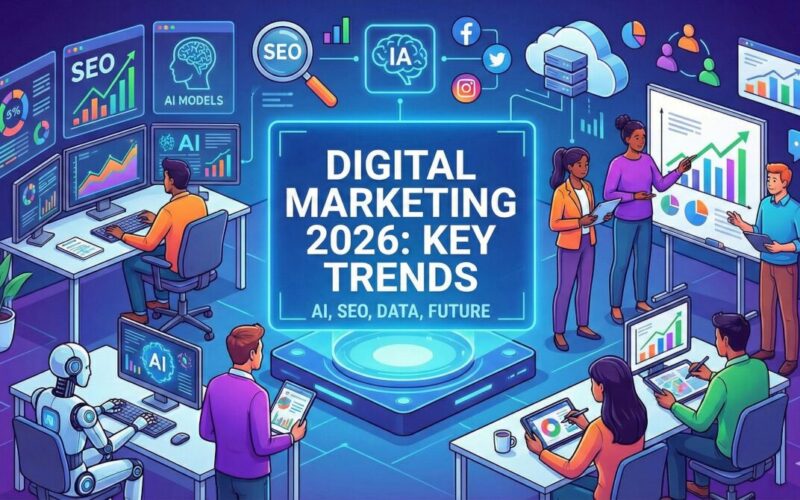
The Future of Digital Marketing: Trends and Predictions
Content:
The landscape of digital marketing is constantly evolving, driven by rapid advancements in technology and changing consumer behaviors. To stay ahead of the curve, businesses need to be aware of the latest trends and predictions that will shape the future of marketing. In this article, we’ll explore some of the most critical digital marketing trends that every marketer should know about.
1. The Rise of Artificial Intelligence (AI)
AI is transforming every aspect of digital marketing, from content creation to customer service. AI-powered tools can analyze vast amounts of data to provide insights into customer behavior, preferences, and trends. This information can then be used to create personalized marketing campaigns that resonate with individual consumers. AI is also being used to automate repetitive tasks, such as social media scheduling and email marketing, freeing up marketers to focus on more strategic activities.
2. Voice Search Optimization
With the growing popularity of smart speakers and voice assistants, voice search is becoming an increasingly important part of digital marketing. People are using voice search to find information, make purchases, and interact with brands. To optimize for voice search, businesses need to focus on long-tail keywords and natural language. They should also make sure their website is mobile-friendly and easy to navigate.
3. Video Marketing
Video is one of the most effective forms of digital marketing, and its popularity is only growing. Video content is engaging, shareable, and can be used to convey complex information in a simple and easy-to-understand way. Businesses can use video marketing to showcase their products, tell their brand story, and connect with customers on an emotional level. Short-form video platforms like TikTok and Instagram Reels are particularly popular with younger demographics.
4. Social Commerce
Social media platforms are increasingly being used as e-commerce channels. Social commerce allows businesses to sell products directly to consumers through social media posts and ads. This trend is driven by the growing number of people who use social media to discover new products and make purchasing decisions. To succeed in social commerce, businesses need to create engaging and shoppable content that makes it easy for customers to buy.
5. Personalization
Personalization is no longer a luxury in digital marketing; it’s a necessity. Consumers expect brands to understand their needs and preferences and to provide personalized experiences. This can be achieved through targeted advertising, personalized email campaigns, and customized website content. By personalizing their marketing efforts, businesses can build stronger relationships with customers and increase their return on investment.
6. The Decline of Third-Party Cookies
The use of third-party cookies, which are used to track user behavior across different websites, is being phased out by major browsers. This will have a significant impact on digital marketing, as it will make it more difficult for businesses to target ads and measure the effectiveness of their campaigns. To adapt to this change, businesses need to focus on first-party data collection and build direct relationships with their customers.
Conclusion
The future of digital marketing is bright and exciting. By staying ahead of the latest trends and predictions, businesses can create effective marketing campaigns that drive results. The key is to be adaptable and embrace change.
